
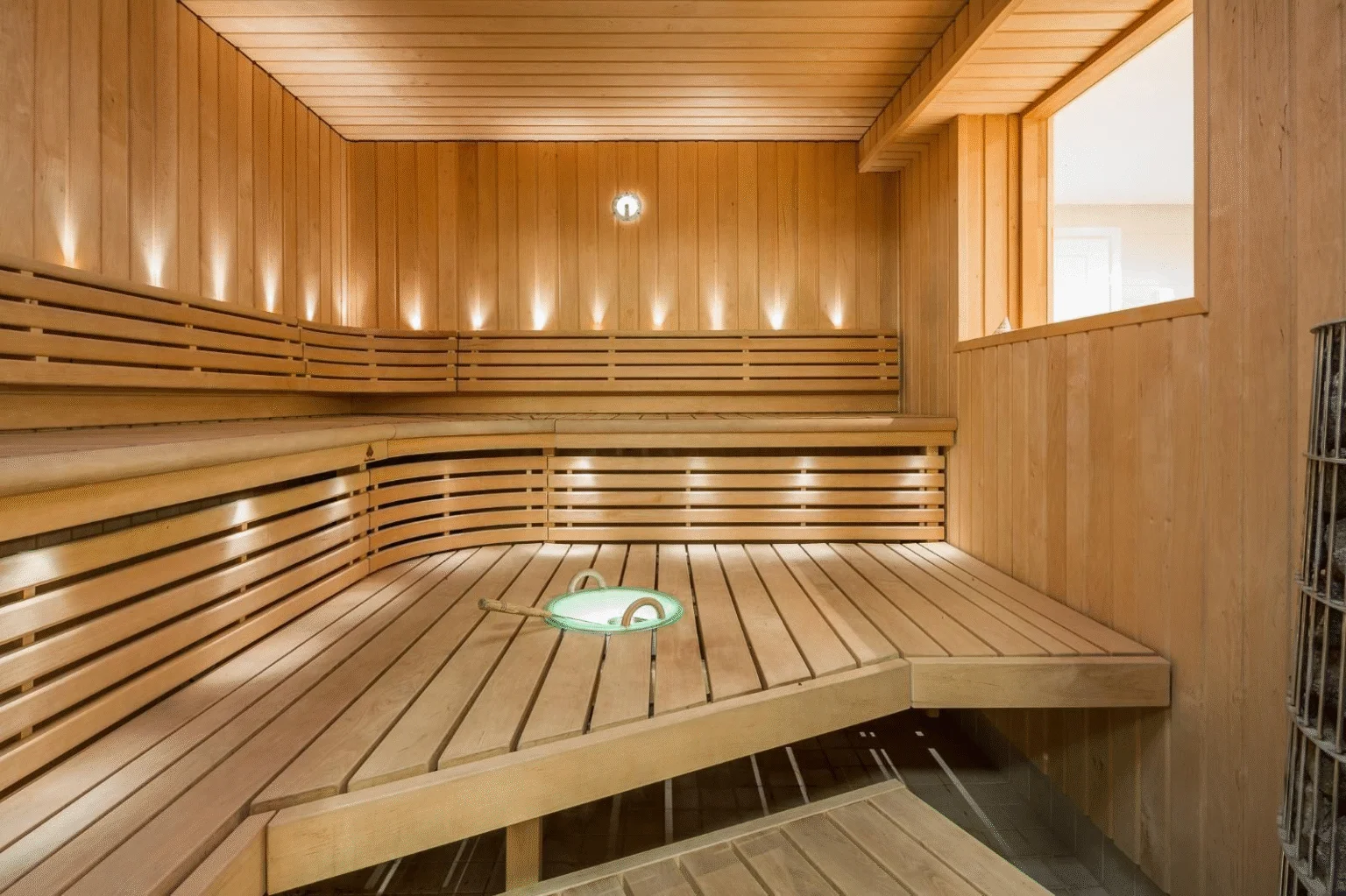
Have you ever wondered what makes a sauna have such a lovely, earthy smell and such a homey feel? One of its large portions is the sauna wood. The right type will not only be a matter of appearance but also a matter of making the ultimate escaping experience relaxing. Get it right, and you will have a personal sauna paradise. If you get it wrong, you might be in the business of warping, splintering, or even unpleasant smells.
This guide will teach you everything you need to know about the best sauna wood. We will discuss the best options, what is so unique about each of them, and the way to select the ideal fit for your DREAM wooden sauna. Do you want a comfortable home bathroom or an outdoor wood-burning sauna? You can find out all the necessary information in this place.
Are you ready to construct the sanctuary of your dreams? Let us plunge and locate the best wood to spend your personal time.
Why the Right Sauna Wood is a Game-Changer
Consider a sauna construction to be similar to baking cakes. You would never put salt instead of sugar, would you? The same reasoning is applied to your wood sauna. The wood used is the primary product that will define the quality, durability, and experience of your sauna. Not only is it a building material, but it is the soul and spirit of your relaxing environment.
An ideal sauna wood must be able to withstand high peak temperatures and low temperatures, as well as high humidity, without breaking, bending, or heating up too much to touch. It must also not decay or mold (particularly when it is an outdoor wood-burning sauna). In addition, the natural smell of the wood can make your sauna not just an ordinary sweat but also a treatment. A wise decision will make your investment last many years, and you will enjoy countless hours of comfort and wellness.
Top Picks: The Best Wood for Your Sauna
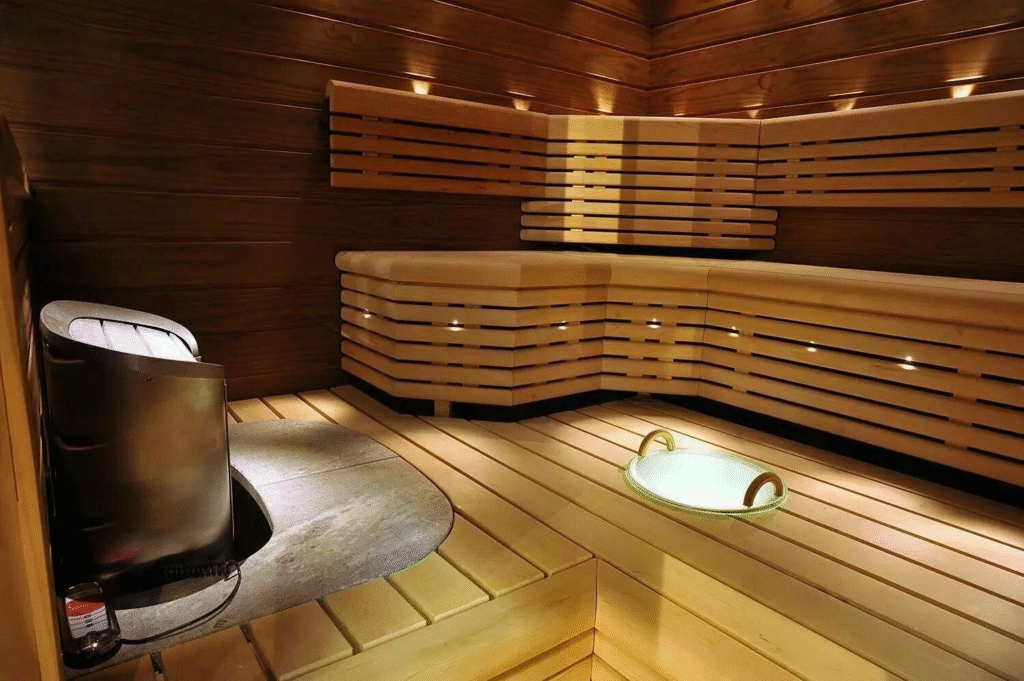
Then what are the most suitable woods? While there are many options available, some stand out for their superior quality. We will examine the most popular building options of an attractive and durable wood-fired sauna.
1. Cedar: The Aromatic All-Star
Whenever you are imagining a traditional sauna, what you are likely to see is cedar. And it is not a secret that it is one of the most popular options.
- Smell: Cedar is known by its sweet and earthy scent, which adds to the calming environment.
- Sturdiness: It can withstand rot, mildew, and insects; thus, it is a durable choice.
- Heat Resistance: Cedar is not hot when touched, even in high temperatures.
- Appearance: Its luxurious rich reddish-brown appearance and fineness make any sauna a luxury.
The main downside? One of the more costly guests is Cedar. Nevertheless, its longevity and aromatic advantages are worth it to many of the owners.
2. Hemlock: The Cost-Efficient Choice.
Hemlock is a superb substitute for cedar, a little less expensive, but almost as excellent.
- Affordability: It is much cheaper than cedar, and thus it can be used by people who have a limited budget.
- Appearance: Hemlock is a light, uniform color with a straight grain to provide a clean and modern appearance to your sauna.
- Durability: It is not as naturally rot resistant as cedar, but when well maintained, it will last in the sauna.
- Hypoallergenic: Hemlock has a minimal natural smell and therefore, it can be used by individuals who are sensitive to body odor or have an allergy.
3. Aspen: The Clean and Cool Competitor.
Aspen is also a good option because it provides a clean, fragrance-free environment.
- Heat Resistance: Aspen is reputed to be very cool even in the hottest saunas.
- Hypoallergenic: Like hemlock, it is odorless and is non-allergenic.
- Appearance: It is of a fine texture and creamy white color, which gives it the feel of brightness and lightness.
- Durability: Aspen is a hardwood and hence has excellent durability but is not as resistant to decay as cedar.
This makes it an excellent choice for commercial saunas that require a neutral and universally comfortable atmosphere.
4. Basswood: The Easy Rider.
Basswood is considered a neglected thing, yet it possesses certain features of idealization in saunas.
- Hypoallergenic: It is also scentless but non-allergenic.
- Clean Surface: Basswood is extremely soft and possesses a smooth and consistent finish with no knots, which makes its benches so comfortable.
- Durability: It is dimensionally stable and does not achieve the warping and cracking of extreme high heat and humidity in a sauna.
It has a clear and streamlined look with its light color and uninterrupted grain that fits perfectly in any contemporary wood sauna design.
Heating Your Sanctuary: Wood Sauna Stove vs. Electric Heater
Once you’ve chosen your wood, the next big decision is the heat source. The classic choice is a wood-burning sauna stove, which offers an authentic, off-grid experience. On the other hand, electric heaters provide modern convenience.
The Charm of a Wood-Burning Sauna Stove
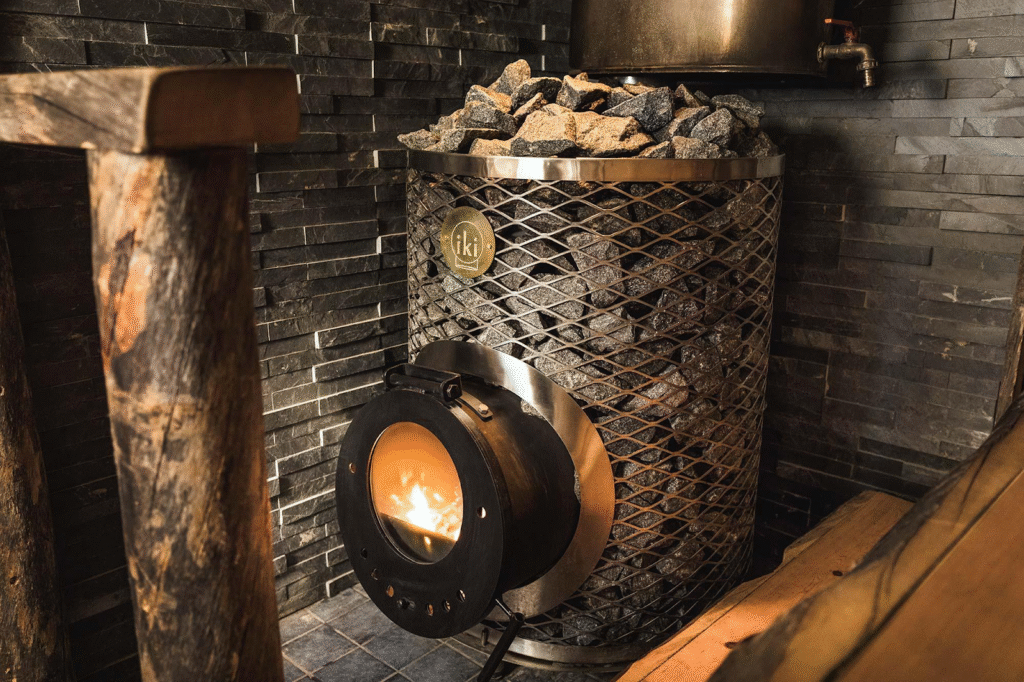
There’s something magical about a wood-fired sauna. The crackling fire, the gentle glow, and the rich, smoky aroma create an unparalleled rustic ambiance. A sauna wood stove provides a powerful, penetrating heat that many enthusiasts swear by. It’s also a wonderful choice if you’re building an outdoor wood-burning sauna without electricity.
Pros:
- Authentic, rustic experience.
- It provides powerful, enveloping heat.
- Works off-grid; no electricity needed.
- Lower running costs if you have access to firewood.
Cons:
- Requires more effort (loading wood, cleaning ash).
- Longer to heat up.
- Temperature control is less precise.
The best wood-burning sauna stove for you will depend on the size of your sauna. For smaller outdoor saunas, a compact stove will be more than sufficient.
The Convenience of an Electric Heater
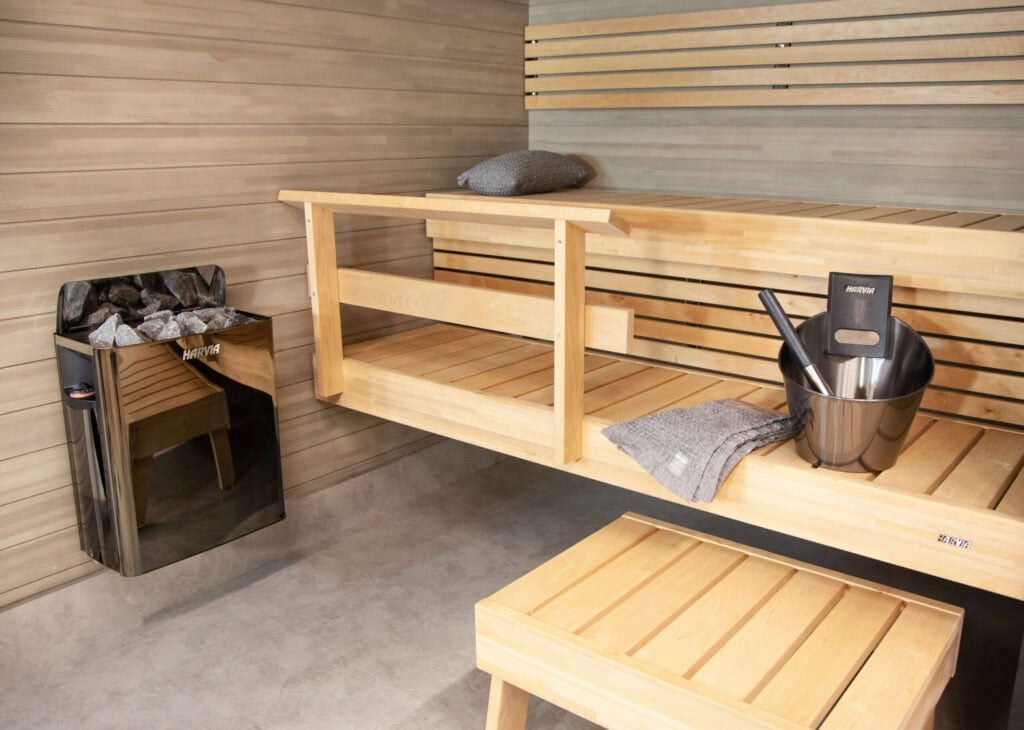
For those who value ease and precision, an electric heater is the way to go. With the push of a button and a twist of a dial, you can set your sauna to the exact temperature you desire. They heat up quickly and require very little maintenance.
Pros:
- The device is extremely easy to use.
- Precise temperature control.
- The device heats up quickly.
- It is both clean and requires minimal maintenance.
Cons:
- Higher running costs (electricity bills).
- Lacks the traditional ambiance of a wood stove.
- Requires professional installation.
Ultimately, the choice between a sauna stove wood burner and an electric heater comes down to personal preference. Do you crave the traditional, hands-on experience, or do you prioritize modern convenience?
Your Path to Sauna Serenity
The selection of a proper sauna wood is the most significant process in designing an environment you will be pleased with for many years to come. While you may be drawn to the aromatic cedar or the cleanliness of aspen, your choice will ultimately shape the appearance, texture, and scent of your personal retreat. You will create the ultimate escape with the appropriate source of heat, such as a conventional sauna wood furnace or a modern-day electric heater.
Are you ready to begin assembling your dream sauna? Get the best quality of our sauna supplies materials and stoves at PersonSauna and make the first step towards ultimate relaxation today.
Frequently Asked Questions (FAQs)
Which kind of sauna wood is the most popular?
Cedar is the most preferred because it offers the best durability, heat resistance, and a pleasant smell.
Can I use pine for my sauna?
Pine should be avoided because it has resin, may spurt out when subjected to high temperatures, and is weaker.
How do I clean my wooden sauna?
Wipe softly and lightly with a brush and a weak mixture of water and baking soda over the wood.
Are electric saunas superior to wood-burning ones?
That is up to you; the wood burners are more of an experience and the electric heaters are convenient.
What is the price of an outdoor wood-burning sauna?
Prices may fluctuate quite a deal, though DIY kits may prove cheaper for erecting your own.